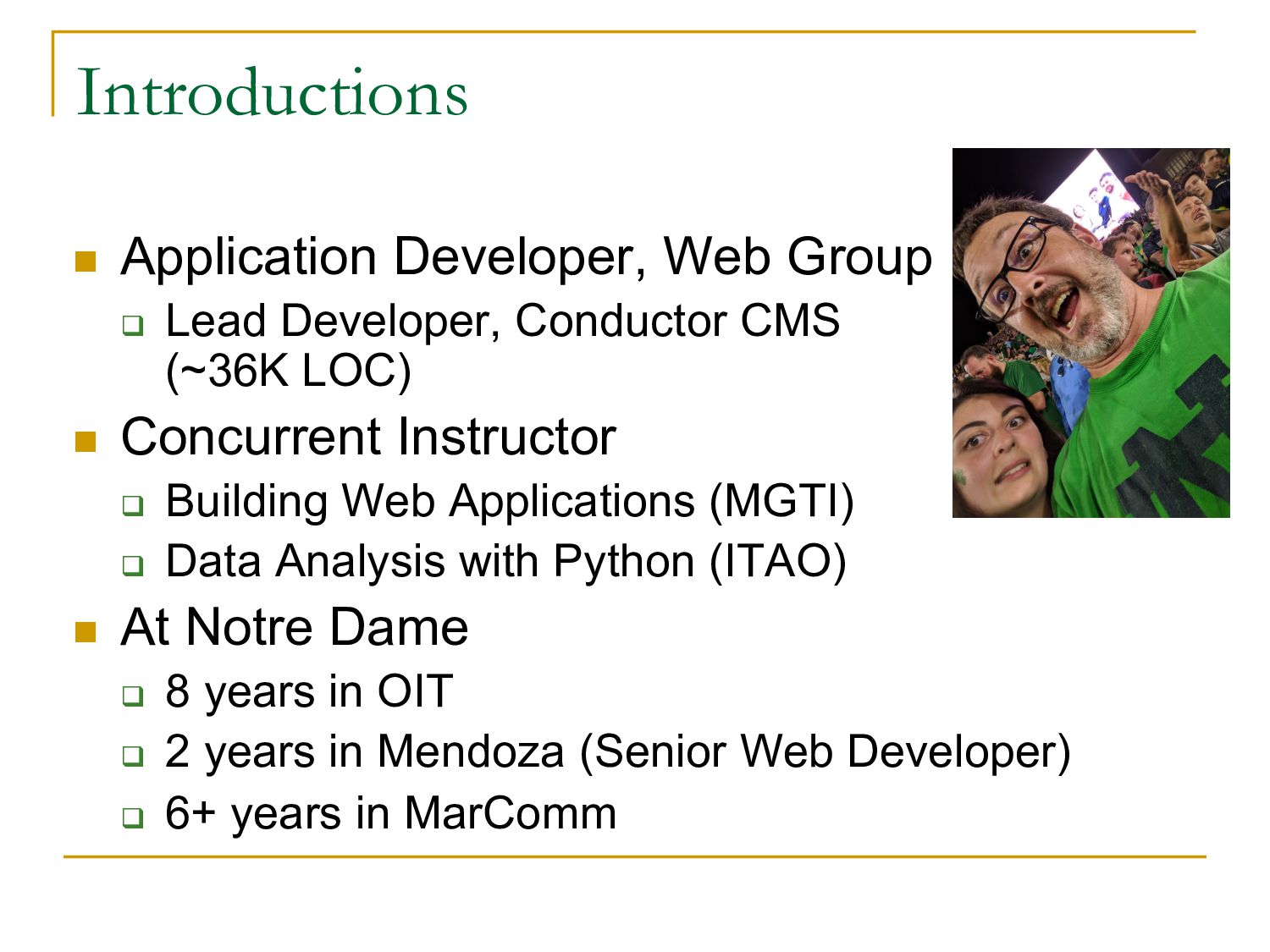
CMS (~36K LOC) n Concurrent Instructor q Building Web Applications (MGTI) q Data Analysis with Python (ITAO) n At Notre Dame q 8 years in OIT q 2 years in Mendoza (Senior Web Developer) q 6+ years in MarComm
of examining and determining users needs, developing and designing it, building and forming, and testing the end-user software to see if it pleases their needs through software programming languages. Software engineering is also used for bigger and more complex systems, which are mostly used by organizations and businesses. https://en.wikipedia.org/wiki/Software_engineering
q Programs to solve specific problems q Classes/Objects designed to encapsulate specific real world objects and their required behavior n Macro: q Larger programs that leverage other programs, objects, and scripting to work as a system
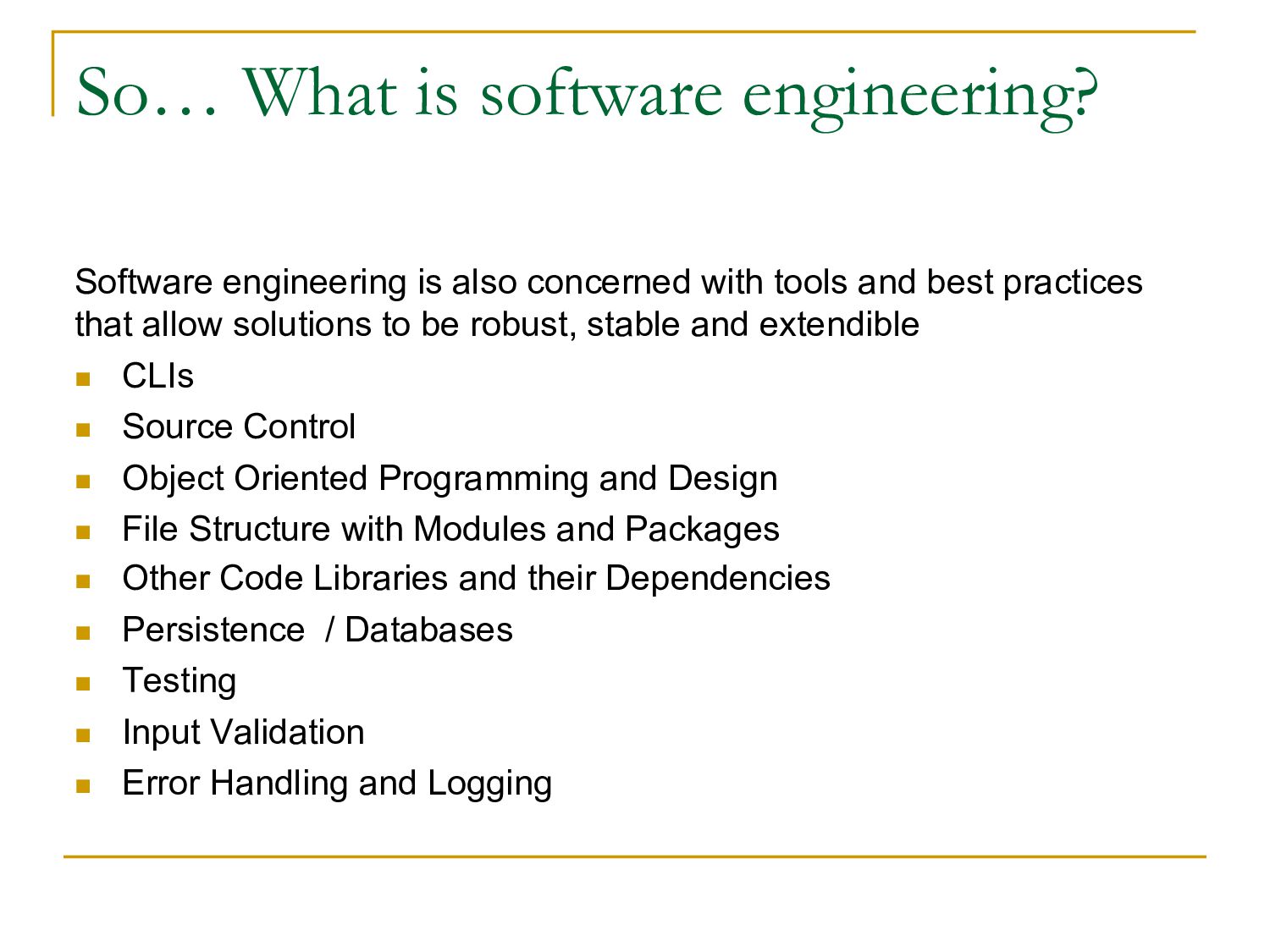
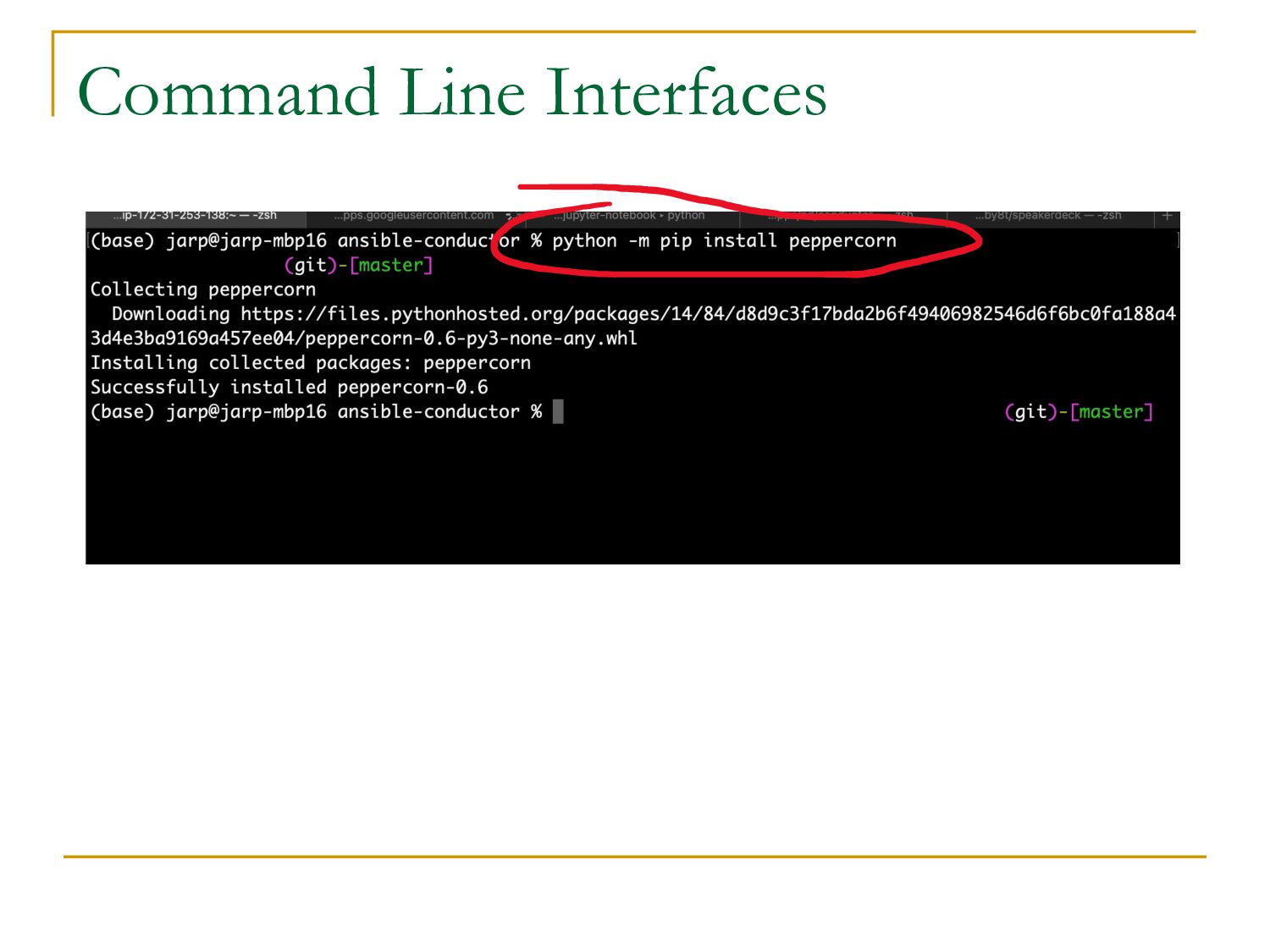
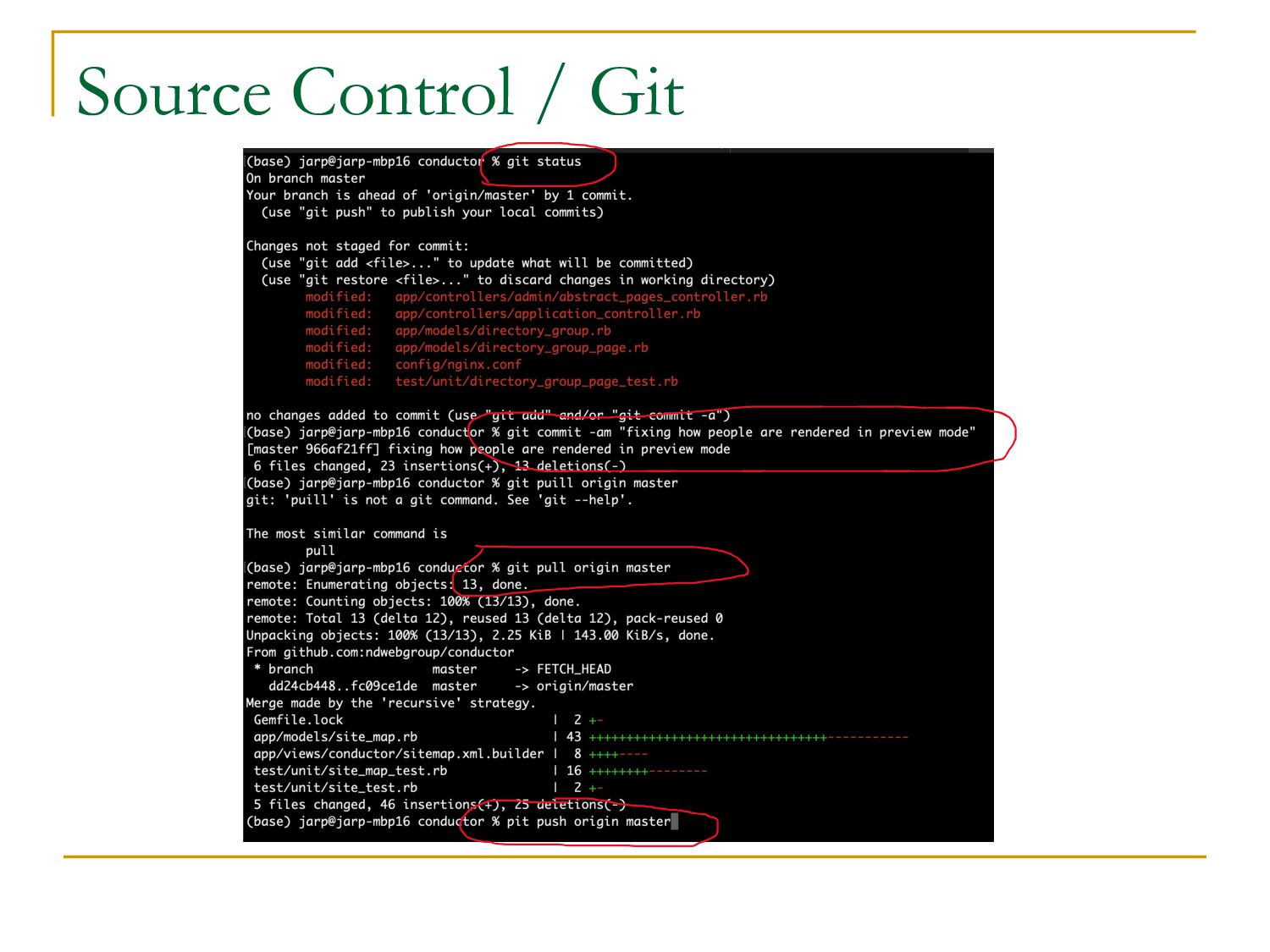
with tools and best practices that allow solutions to be robust, stable and extendible n CLIs n Source Control n Object Oriented Programming and Design n File Structure with Modules and Packages n Other Code Libraries and their Dependencies n Persistence / Databases n Testing n Input Validation n Error Handling and Logging
and checks to see if they have rolled any scoring dice or combinations. n Any dice that score may be set aside and then the player may choose to roll all the remaining dice n The player must set aside at least one scoring die of their choice if possible but is not required to set aside all scoring dice.
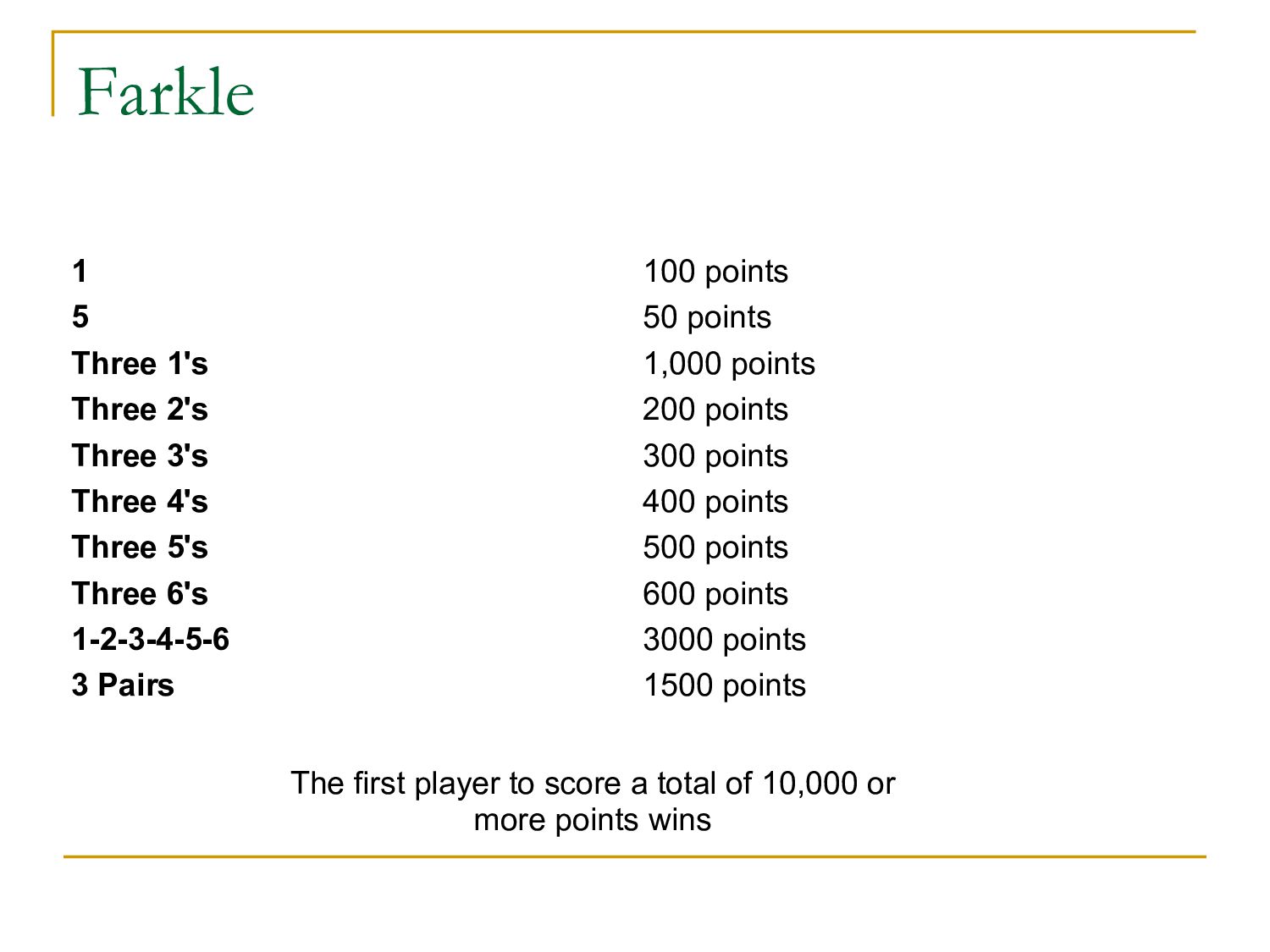
points Three 2's 200 points Three 3's 300 points Three 4's 400 points Three 5's 500 points Three 6's 600 points 1-2-3-4-5-6 3000 points 3 Pairs 1500 points The first player to score a total of 10,000 or more points wins
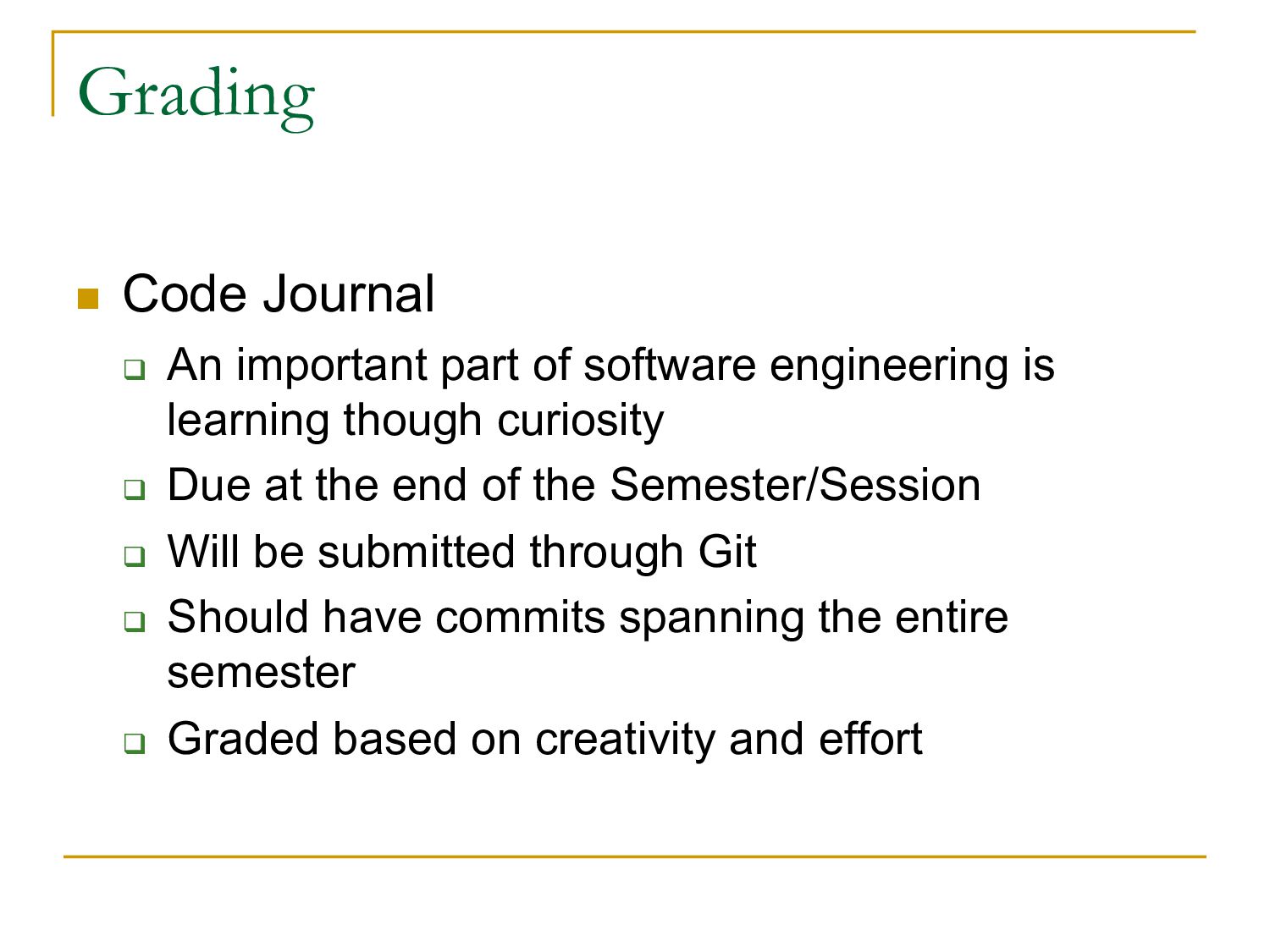
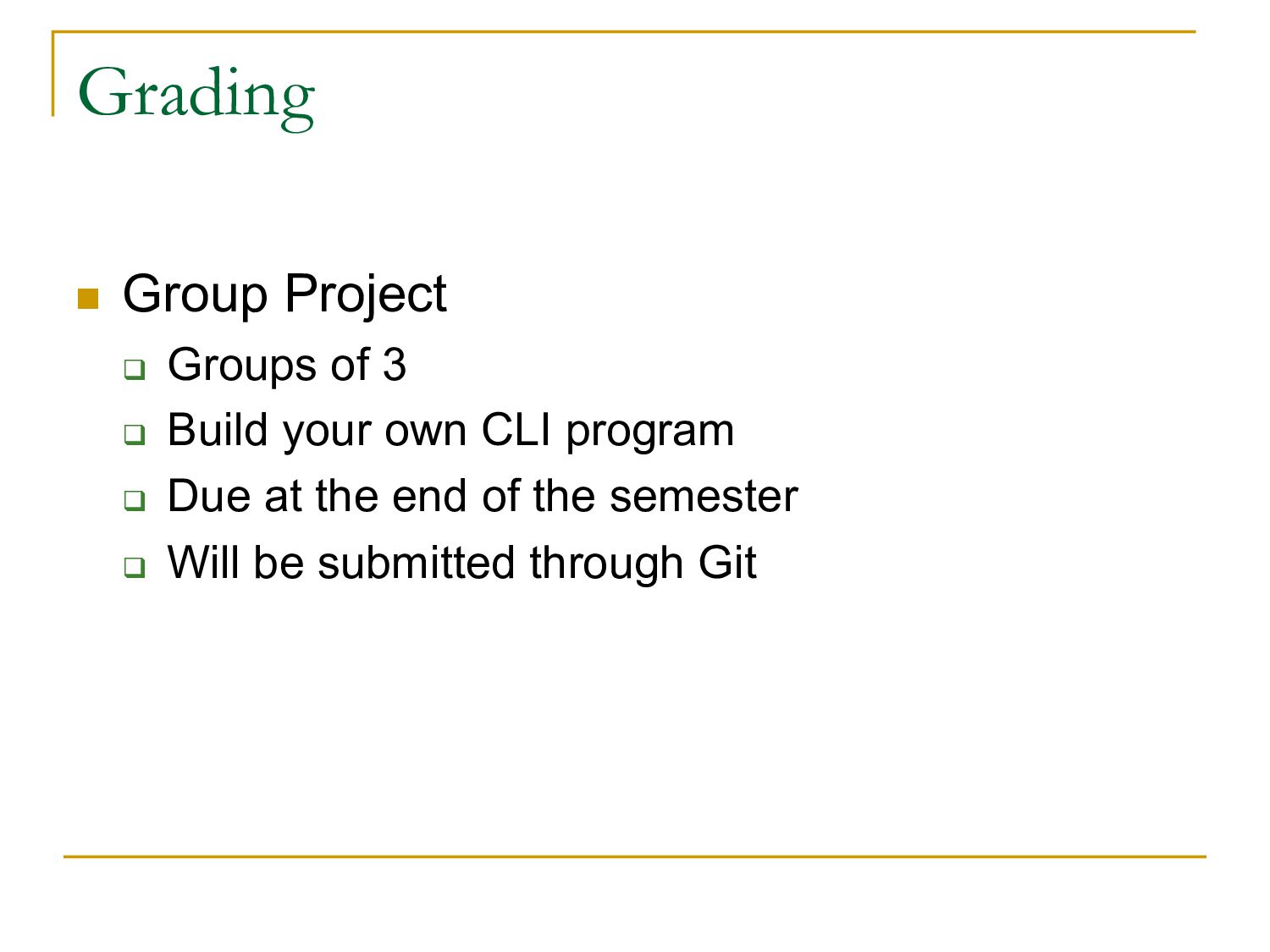
engineering is learning though curiosity q Due at the end of the Semester/Session q Will be submitted through Git q Should have commits spanning the entire semester q Graded based on creativity and effort
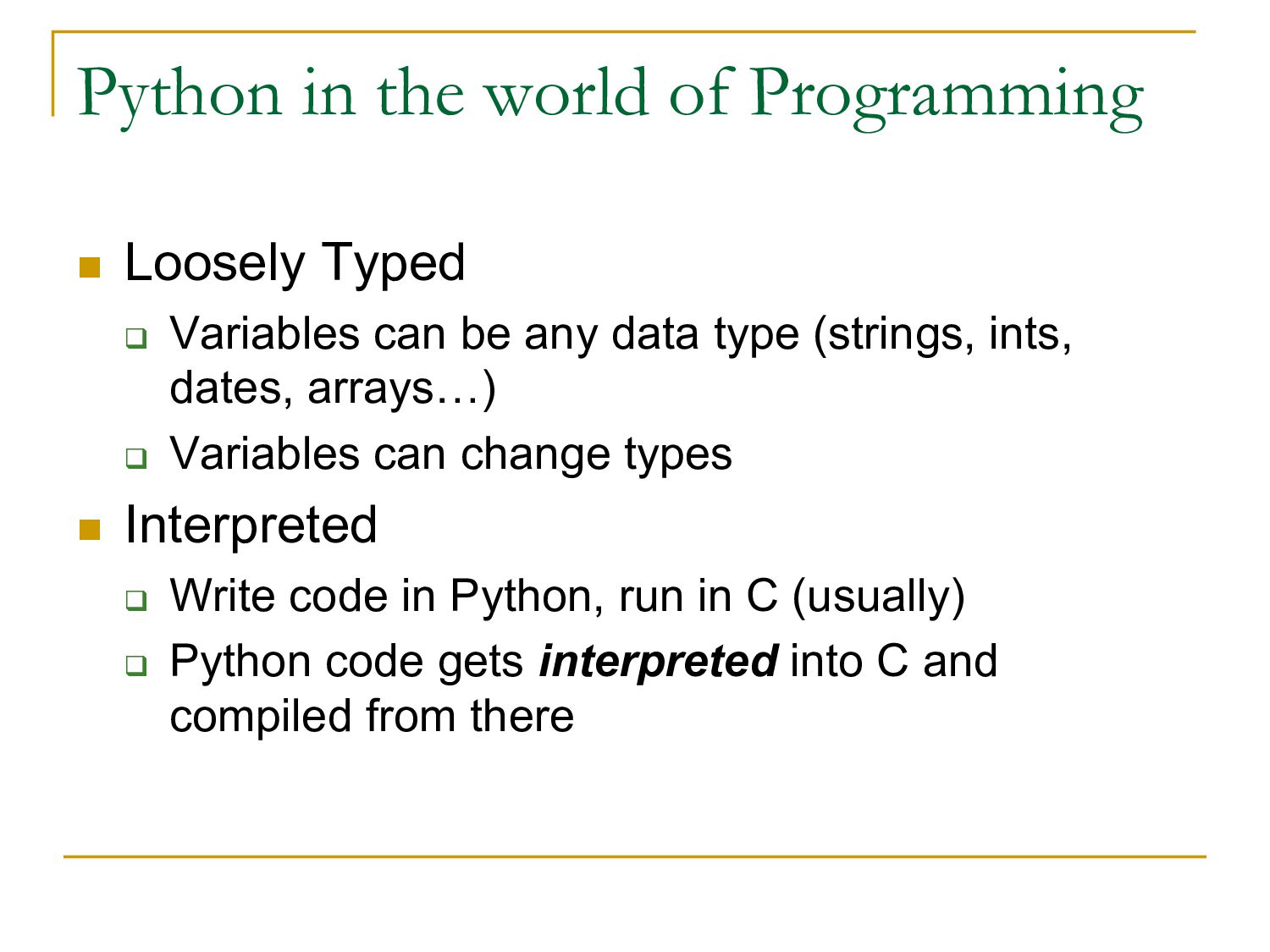
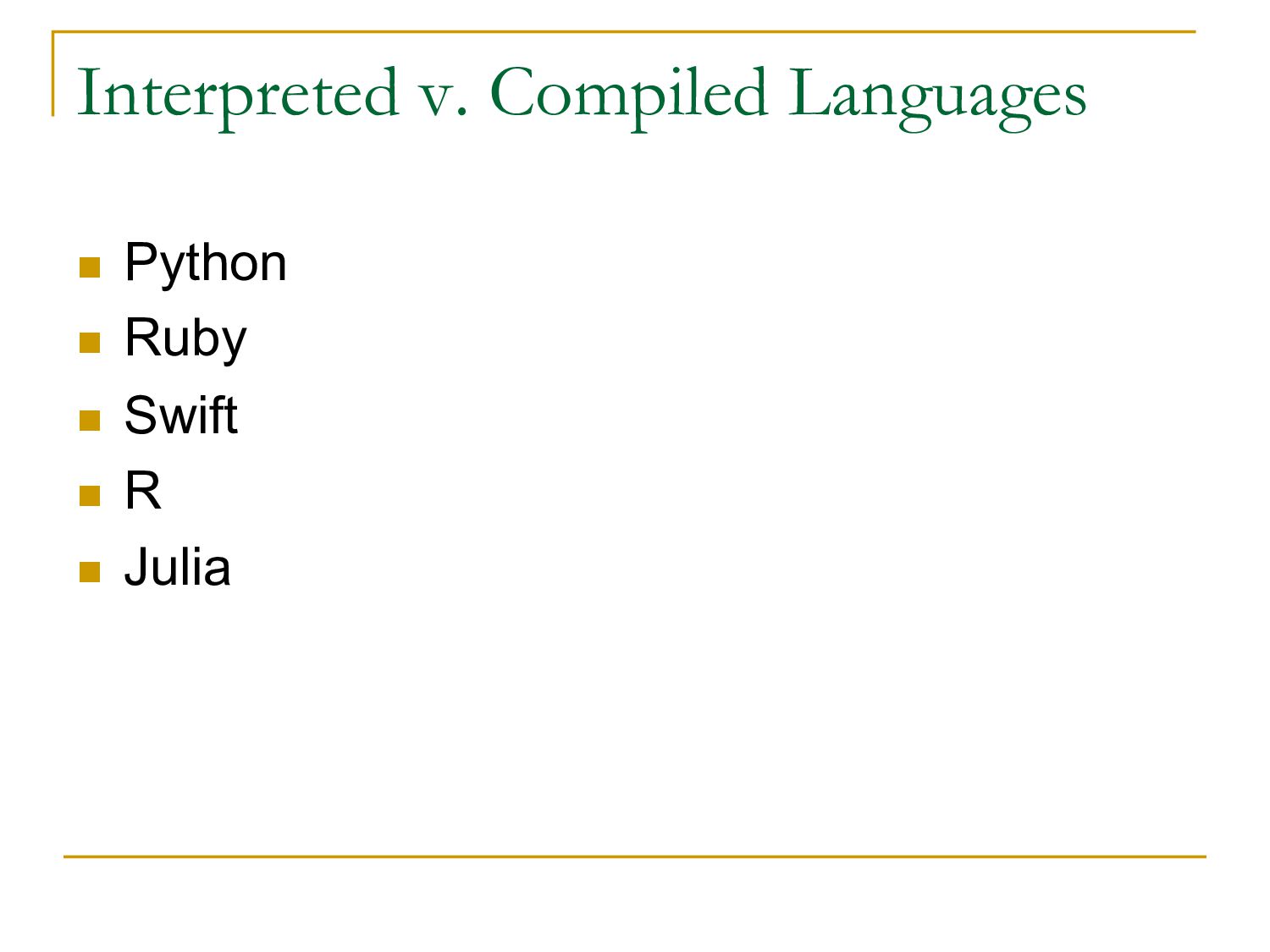
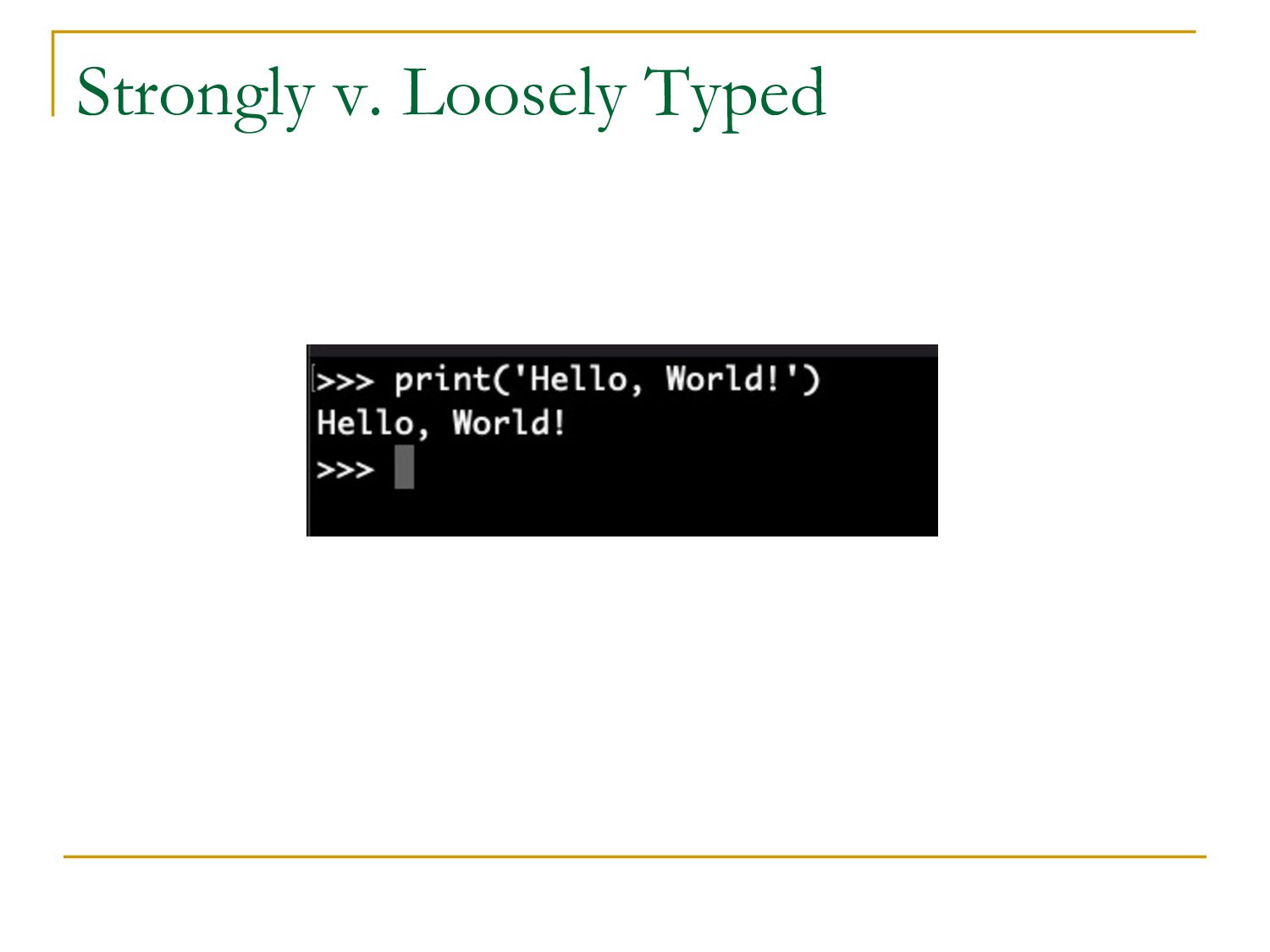
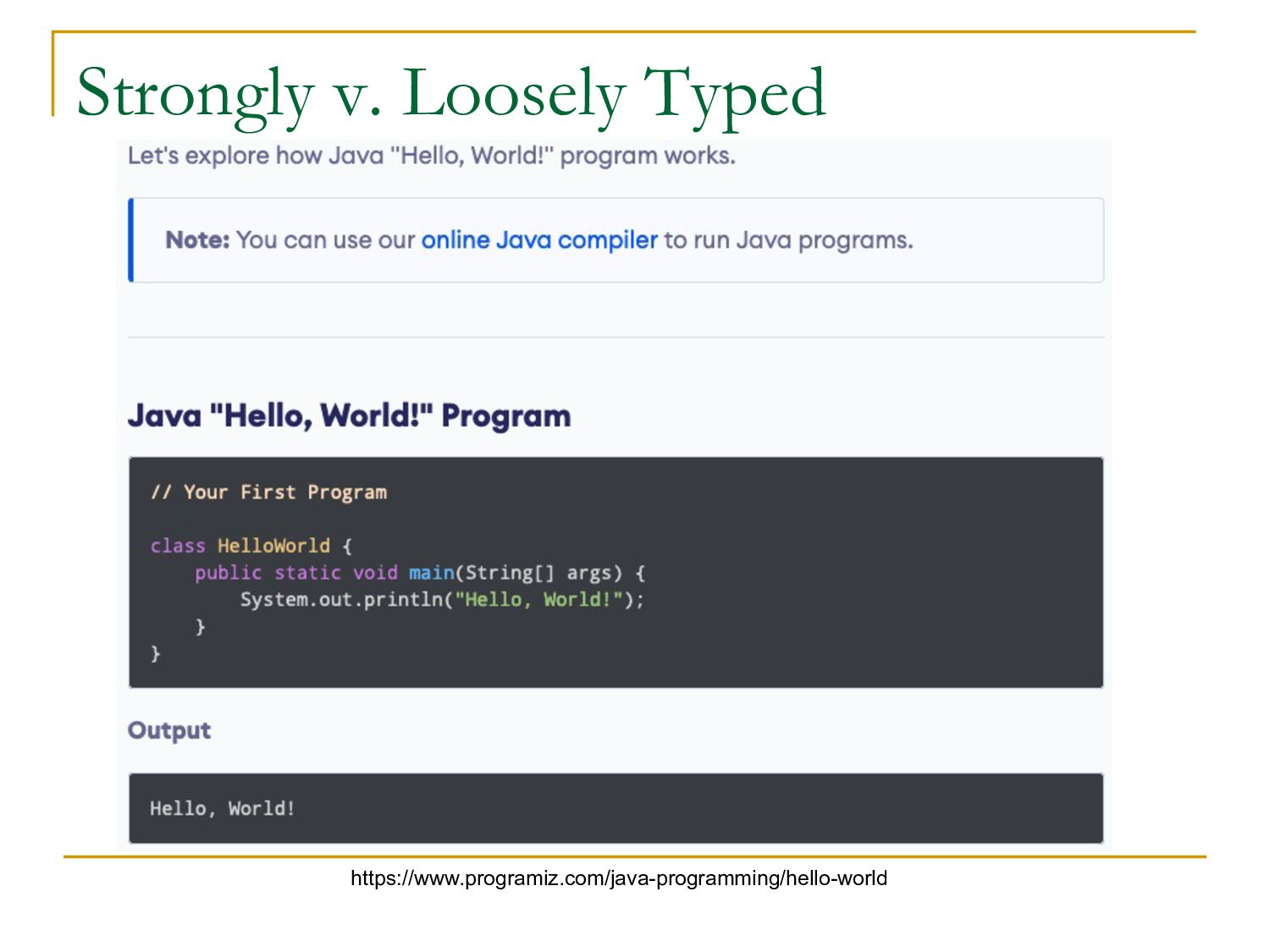
Variables can be any data type (strings, ints, dates, arrays…) q Variables can change types n Interpreted q Write code in Python, run in C (usually) q Python code gets interpreted into C and compiled from there
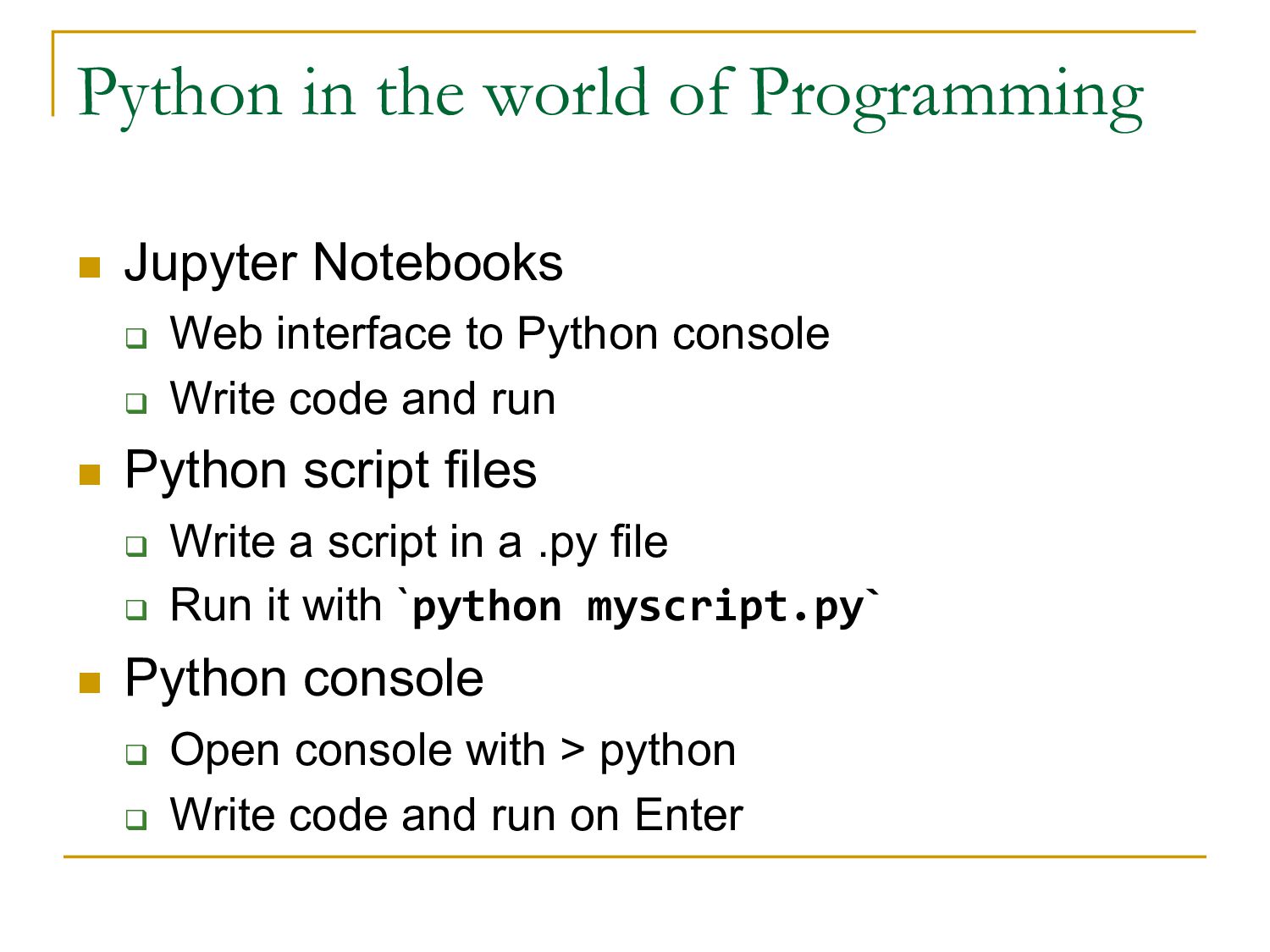
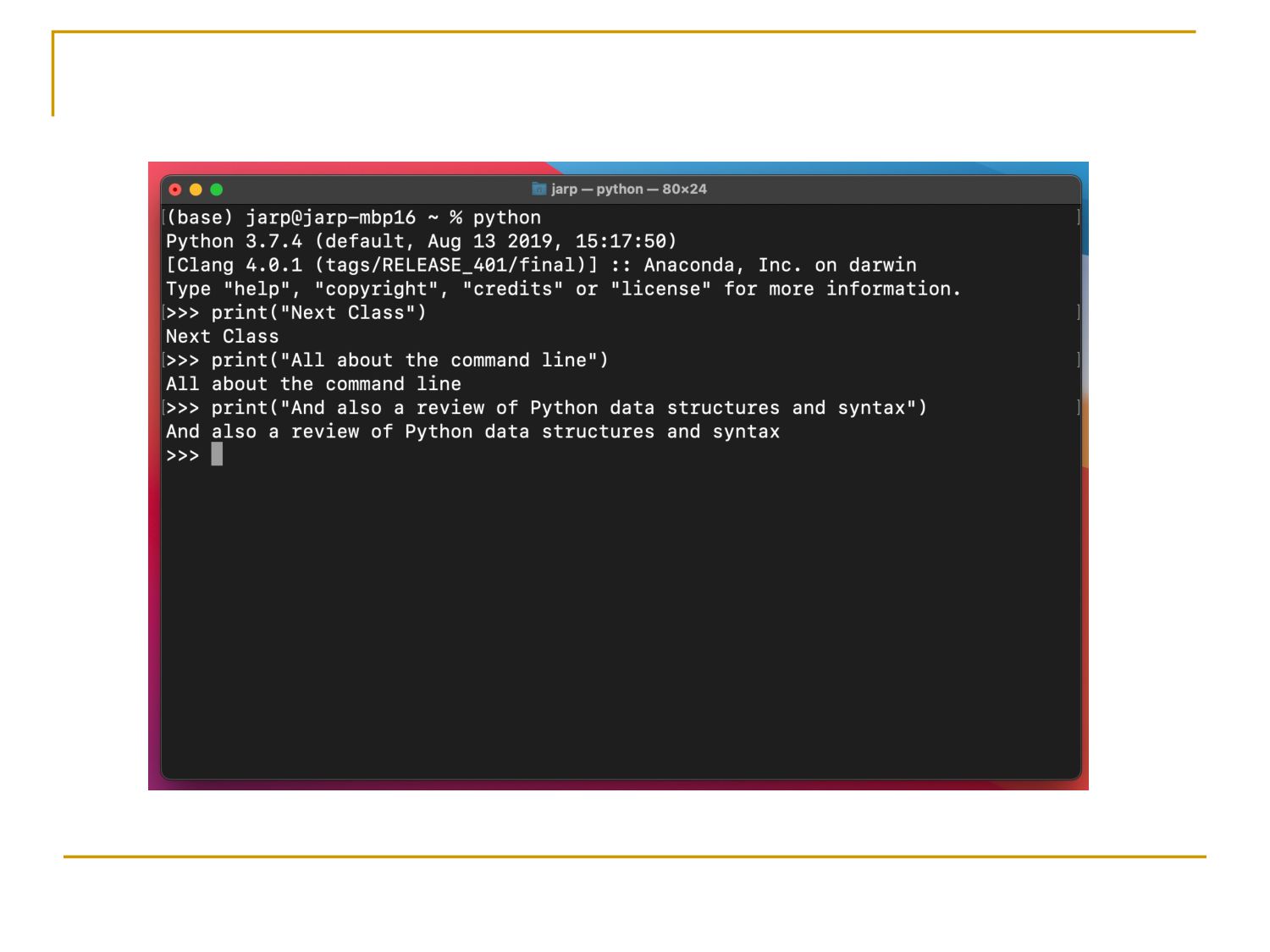
Web interface to Python console q Write code and run n Python script files q Write a script in a .py file q Run it with `python myscript.py` n Python console q Open console with > python q Write code and run on Enter
Web interface to Python console q Write code and run n Python script files q Write a script in a .py file q Run it with python myscript.py n Python console q Open console with > python q Write code and run on Enter
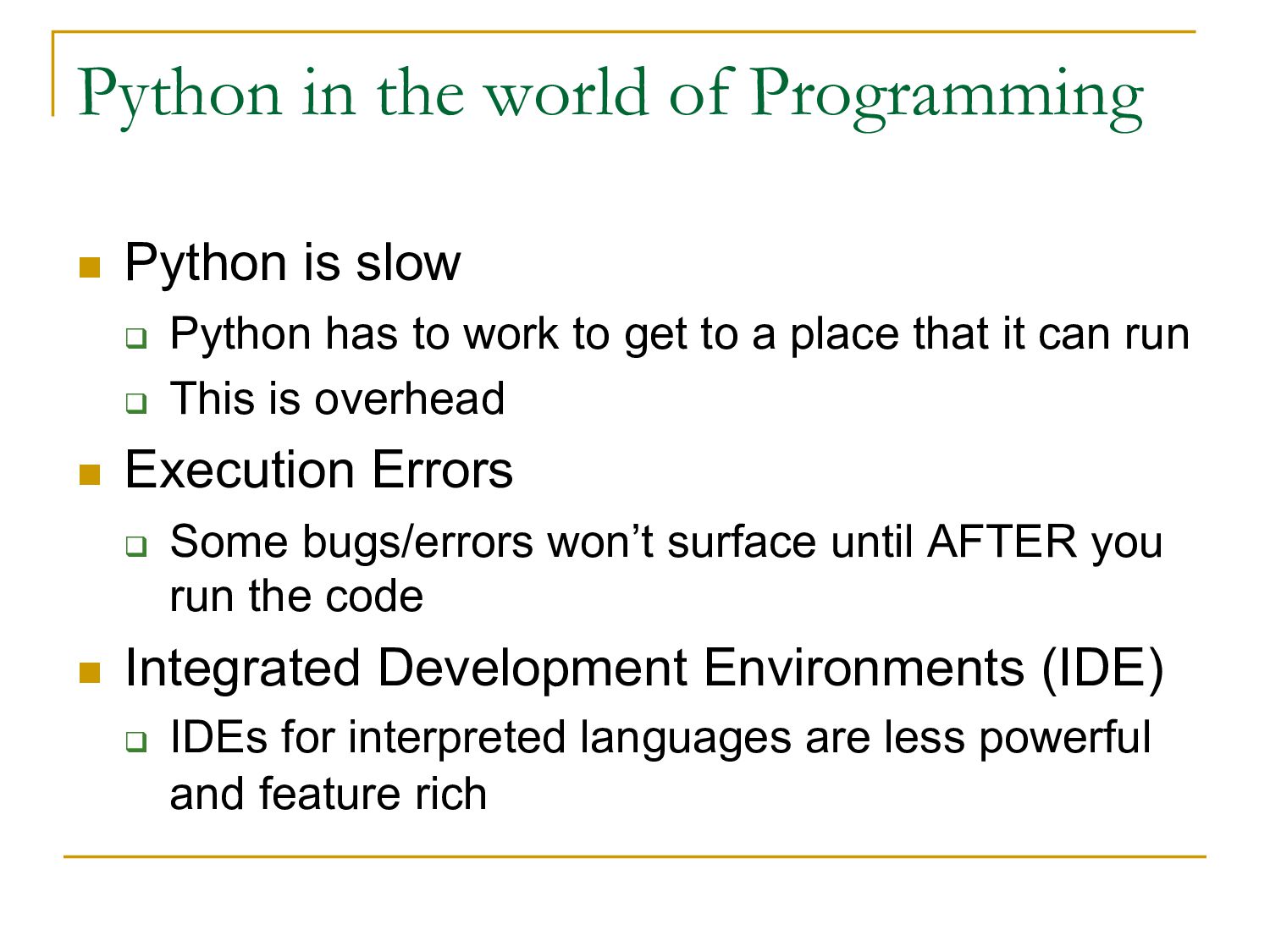
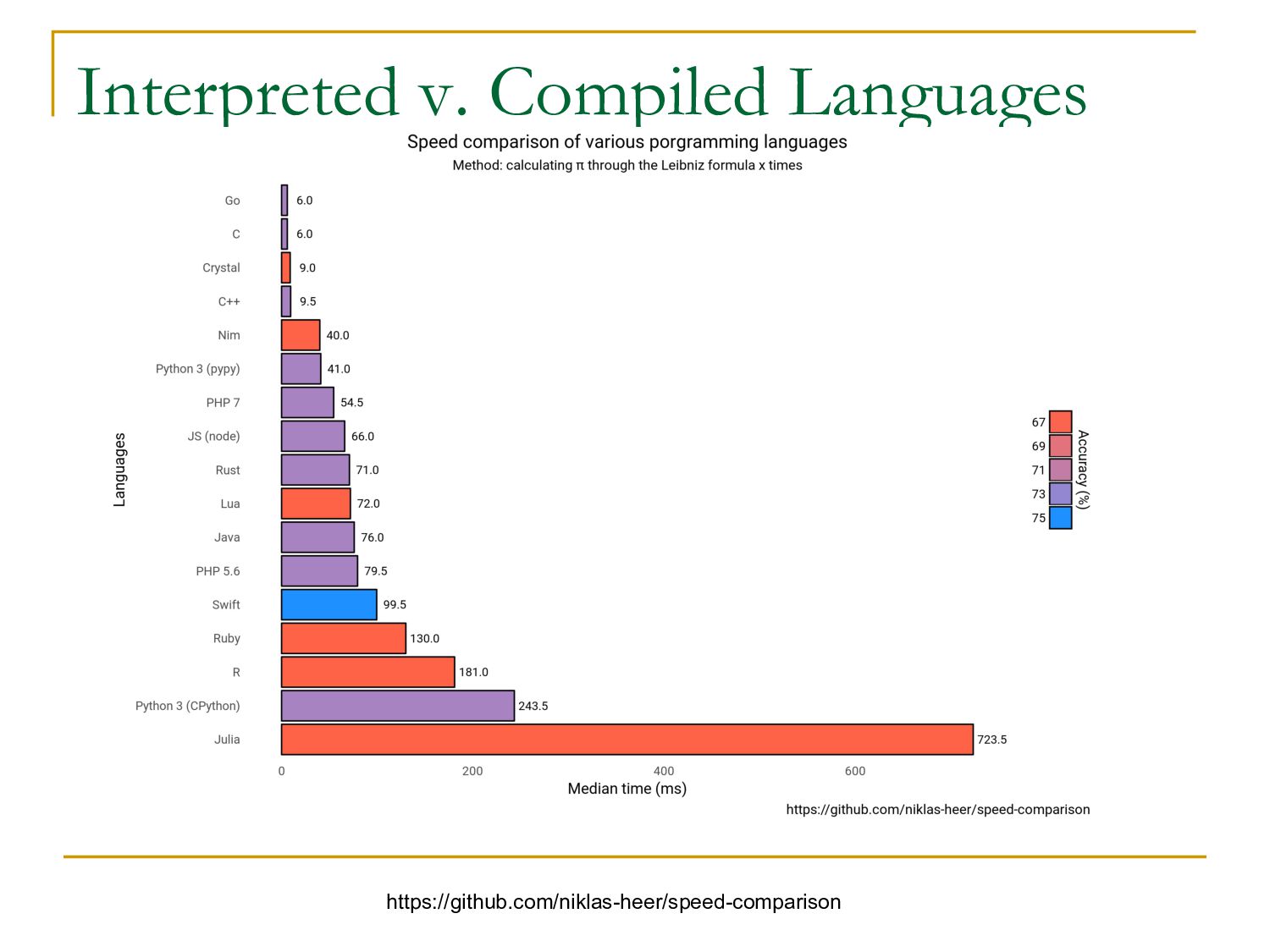
q Python has to work to get to a place that it can run q This is overhead n Execution Errors q Some bugs/errors won’t surface until AFTER you run the code n Integrated Development Environments (IDE) q IDEs for interpreted languages are less powerful and feature rich
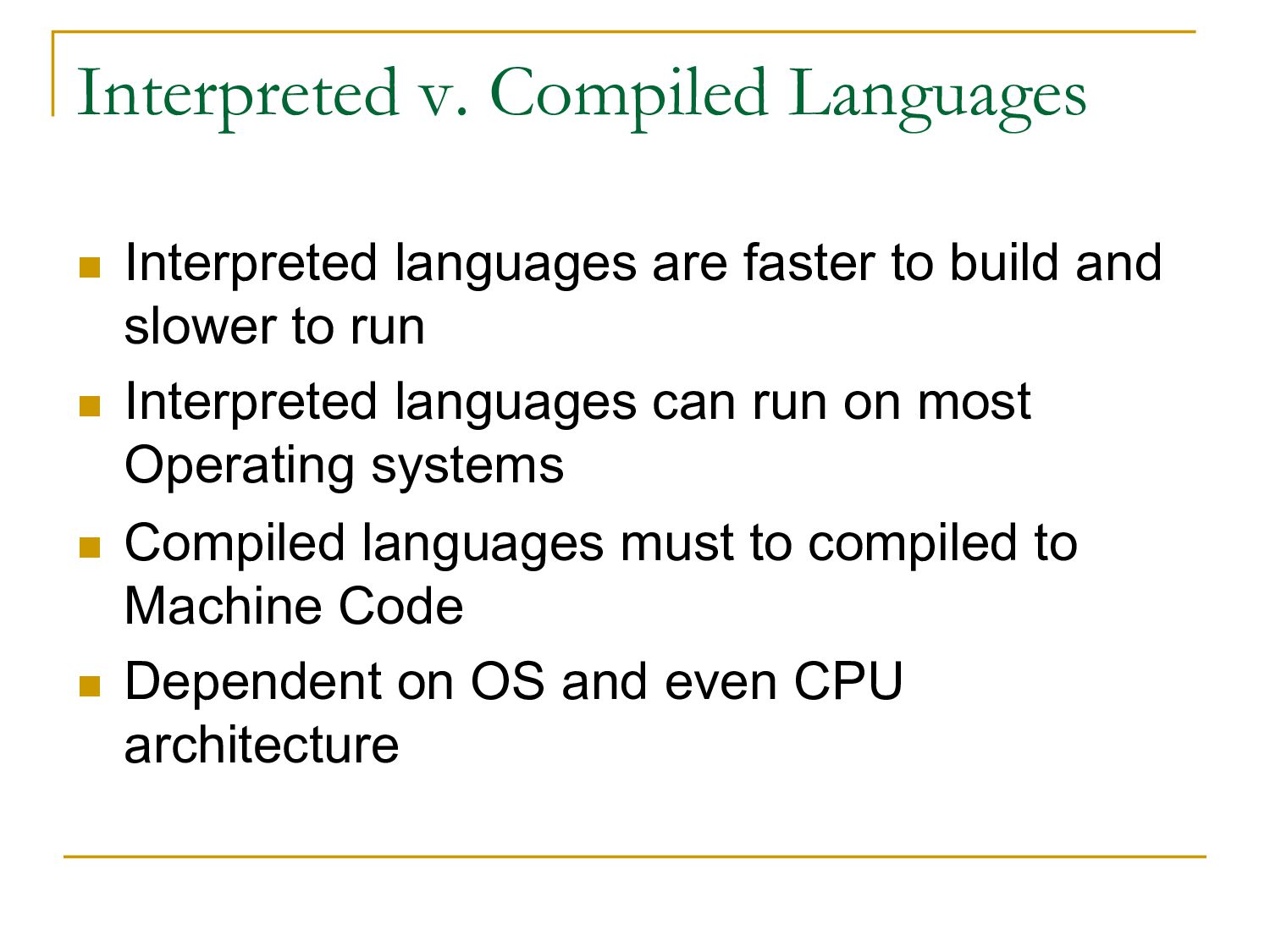
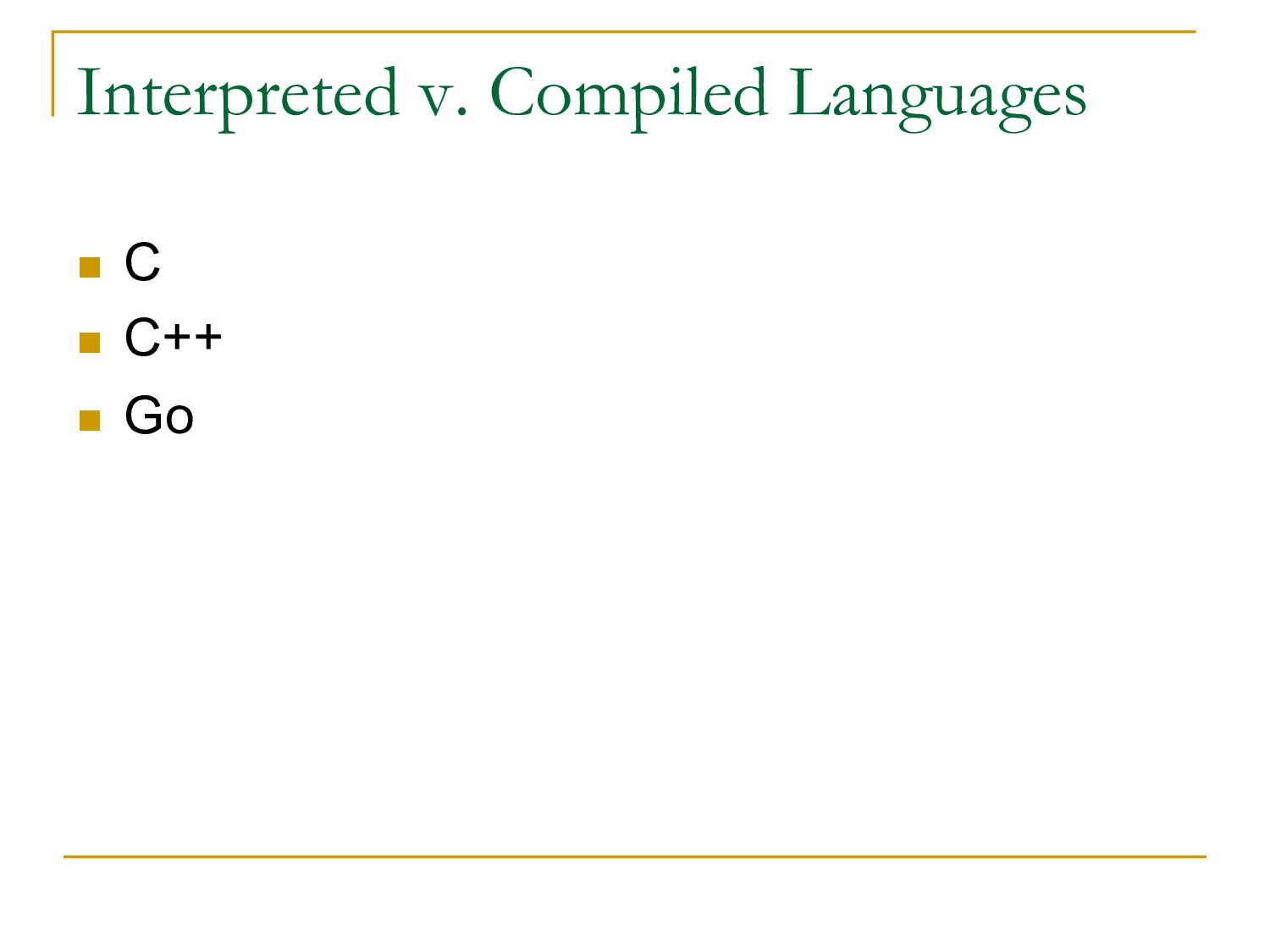
build and slower to run n Interpreted languages can run on most Operating systems n Compiled languages must to compiled to Machine Code n Dependent on OS and even CPU architecture


 jarp
jarp
 erunyon
 zastrow
 orderedlist